Foreign exchange
The price of one country's promise in terms of another's. The largest market in the world and the least owned by anyone.
The invention
The problem. Merchants arrived with coin from a dozen mints and needed to trade with each other today.
The medieval fairs produced professional money-changers and the bill of exchange, which let a debt in one currency settle in another without moving metal. That instrument is the ancestor of every FX trade and, incidentally, of the workaround that let Christian bankers charge interest without calling it interest.
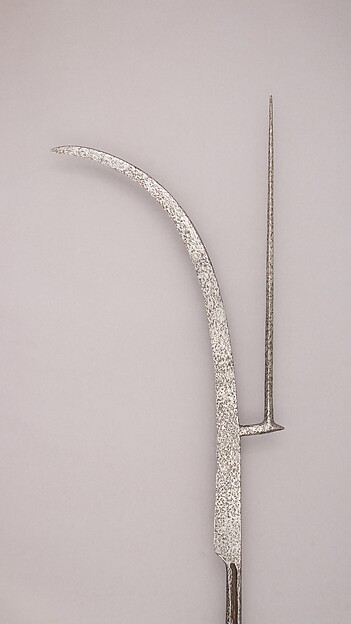
Bill
ca. 1450 · The Metropolitan Museum of Art · CC0
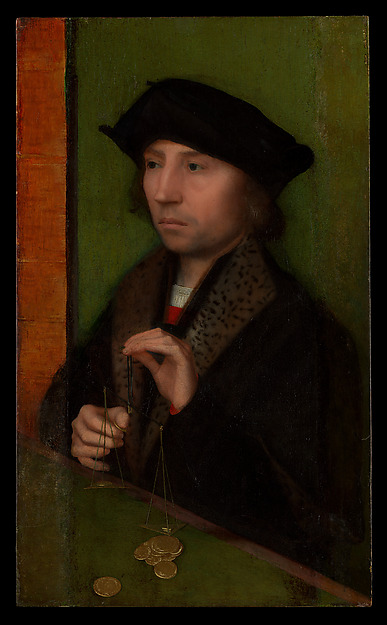
Man Weighing Gold
ca. 1515–20 · The Metropolitan Museum of Art · CC0
Where it has failed
Not a list of disasters. A pattern library.
- 1992London
Black Wednesday
The pound was forced out of the European Exchange Rate Mechanism in a day despite enormous intervention.
A government can lose to a market. Pegs work until defending them costs more than abandoning them.
- 1997Bangkok
The baht breaks
Thailand's dollar peg failed and contagion spread across East Asia within months.
Currency pegs concentrate risk instead of removing it. The calm is real until it is not.
- 2015Zurich
The franc unpegs
The Swiss National Bank abandoned its euro floor without warning; the franc moved nearly 30% in minutes and several brokers failed.
The most credible institutions can change policy overnight. 'Committed' is a statement about intent, not a guarantee.
Where it stands today
You now have the shape. Here is the reading.
Live from public data, pulled at request time. Read it with the failures above in mind — not because a repeat is due, but because knowing the mechanism is what lets you recognise one early.
USD to EUR
European Central Bank via Frankfurter
0.86
Sep 9 · +0.8% y/y
In your ledger
If you earn in one currency and spend in another, FX is a recurring line in your budget whether or not you ever place a trade.
See it in the demoKeep reading